Buy aquasmartdata.eu ?
We are moving the project
aquasmartdata.eu .
Are you interested in purchasing the domain
aquasmartdata.eu ?
domain@kv-gmbh.de · 0541-91531010
Buy aquasmartdata.eu ?
Is brackish water suitable for watering plants?
Brackish water, which is a mix of saltwater and freshwater, is generally not suitable for watering most plants. The high salt content in brackish water can be harmful to many plant species, as it can disrupt the balance of nutrients and water uptake in the plants. However, there are some salt-tolerant plants that can withstand brackish water, such as mangroves and certain types of marsh plants. It's important to consider the specific needs of the plants and the salt content of the water before using brackish water for watering. **
Which water is better for watering plants?
Rainwater is generally better for watering plants than tap water because it is naturally soft, free of chemicals, and at a temperature that is more suitable for plants. Rainwater also contains nutrients that plants can benefit from. However, if rainwater is not available, using tap water that has been left to sit for 24 hours can allow chlorine and other chemicals to evaporate, making it a better option for watering plants. **


Similar search terms for Watering
Top-Angebote
Products related to Watering:
-
Garden Watering Timer, Automatic Irrigation Timer, Water Timer Controller, Drip Irrigation Timer, Digital Watering Timer garden Watering Timer, Automatic Irrigation Timer, Water Timer Controller, Drip Irrigation Timer, Digital Watering TimerNever worry about missed watering schedules again. This garden watering timer helps keep your plants, flowers, lawns, and vegetable gardens healthy with automatic, precise watering. Designed for homeowners, gardeners, and greenhouse enthusiasts, it...79,97 $*Shipping: 0,00 $Secure redirect to the provider
-
Portable Plant Watering Bottle Squeeze Watering Can With Flexible Sprinkler Watering Sprinkler BottleKeep your plants healthy with less effort using this plant watering bottle designed for precise, messfree watering. Perfect for indoor gardeners, plant lovers, and anyone caring for delicate flowers or seedlings, it delivers a gentle flow exactly...41,97 $*Shipping: 0,00 $Secure redirect to the provider
-
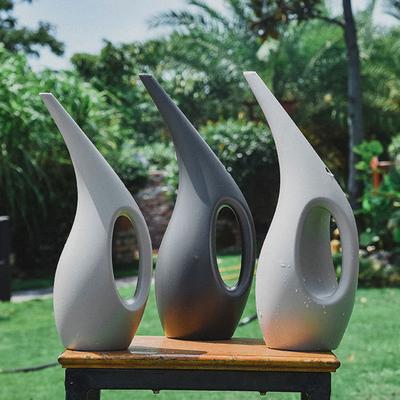
Long Spout Watering Can For Indoor Plants And Root Watering Long Spout Watering Can For Indoor Plants And Root WateringGive every plant the gentle, targeted care it deserves. This indoor plant watering can is designed with a long, narrow mouth that guides water straight to the roots, helping reduce splashes on leaves, shelves, and tabletops. Lightweight and easy to...34,97 $*Shipping: 0,00 $Secure redirect to the provider
-
Bird Shape Self Watering Plant Globe Automatic Plant Watering Device For Indoor Outdoor Pots water BlueKeep your favorite plants healthy and hydrated even when life gets busy. This charming birdshaped Self Watering Plant device delivers water gradually through its ceramic base, helping maintain consistent soil moisture without daily watering....34,97 $*Shipping: 0,00 $Secure redirect to the provider



-
How do I dilute pool water for watering?
To dilute pool water for watering, you can simply mix the pool water with fresh water in a separate container before using it for watering plants or grass. The ratio of pool water to fresh water will depend on the concentration of chemicals in the pool water and the sensitivity of the plants. It's recommended to start with a 50/50 mixture and adjust as needed based on the plants' reaction. Make sure to test the diluted water on a small area first to ensure it does not harm the plants. **
-
How do you use pond water for watering?
To use pond water for watering, you can simply dip a bucket or watering can into the pond and fill it with water. Then, you can use this water to directly water your plants or garden. However, it's important to note that pond water may contain algae, sediment, and other organic matter that could potentially harm your plants. To mitigate this, you can filter the pond water before using it for watering, or let it sit for a few days to allow any sediment to settle at the bottom before using the clearer water on your plants. Additionally, it's important to monitor the pH and nutrient levels of the pond water to ensure it won't negatively impact your plants. **
-
How can one water plants with watering globes?
Watering globes are a simple and effective way to water plants. To use them, simply fill the globe with water and then insert the pointed end into the soil near the plant's roots. The water will slowly release from the globe, providing a consistent and controlled amount of moisture to the plant. This can be especially helpful for plants that require consistent watering, as the globes can help prevent over or under-watering. It's important to monitor the soil moisture and adjust the frequency of filling the globes based on the plant's needs. **
-
How can one use condensation water for watering plants?
Condensation water can be collected from air conditioning units, dehumidifiers, or even by placing a bowl outside during cool nights. This water can then be used to water plants by simply pouring it directly onto the soil at the base of the plants. It is important to ensure that the water collected is clean and free from any contaminants before using it on plants. Additionally, using condensation water for watering plants can help conserve water and reduce water bills. **

How do I dilute pool water for watering plants?
To dilute pool water for watering plants, you can mix the pool water with fresh water in a ratio of 1:1 or even higher, depending on the sensitivity of your plants. Make sure to test the pH and chlorine levels of the diluted water before using it on your plants to ensure it is safe for them. Additionally, avoid using pool water that has been treated with algaecides or other chemicals that could harm your plants. **
Why doesn't the water sink when watering the flowers?
When watering flowers, the water doesn't sink immediately because the soil acts as a sponge, absorbing the water and allowing it to slowly seep down to the roots. This process is called capillary action, where the water is drawn up through the tiny spaces in the soil. Additionally, the roots of the plants also absorb the water, further preventing it from sinking immediately. This slow and controlled release of water allows the plants to efficiently take in the moisture they need for growth and survival. **
Top-Angebote
Products related to Watering:
-
Hozelock Automatic Watering Sensor ControllerTake the hassle out of garden watering with the Hozelock Automatic Watering Sensor Controller, an advanced automatic watering timer that intelligently waters your garden at the best times of day – at sunrise, sunset or both – using cutting-edge daylight sensor technology. This smart irrigation controller ensures your plants receive optimal hydration when water is most easily absorbed and least likely to evaporate. With six preset watering durations to choose from – 2, 5, 10, 20, 30, or 60 minutes – you can tailor your garden’s watering schedule to suit the season, soil, and plant type. Simply select the desired duration and let the sensor-based timer do the rest. For added flexibility, the 'Water Now' function provides manual watering for up to 60 minutes, ideal for hot days or newly planted beds that need extra moisture. A built-in low battery indicator keeps you informed, ensuring your watering programme continues without interruption. The controller requires 2 x AA batteries (not included) for operation. Perfect for eco-conscious gardeners, the Sensor Controller is fully compatible with water butts and rainwater harvesting systems, making it easy to water sustainably. Designed to fit most outdoor taps, it screws directly onto 1/2, 3/4, or 1 BSP threaded taps with the included adaptors. Covered by a 2-year manufacturer's guarantee for peace of mind.59,99 £*Shipping: 0,00 £Secure redirect to the provider
-
Hozelock Automatic Watering Sensor Controller PlusUpgrade your garden irrigation system with the Hozelock Sensor Controller Plus, a premium electronic watering timer that automatically waters your garden at the most efficient times of day – sunrise, sunset, or both – thanks to its advanced daylight sensor technology. Designed to maximise plant health and minimise water waste, this smart water timer adapts to the changing light levels, delivering water precisely when your garden needs it most. Whether you’re growing vegetables, flowers, or maintaining a lush lawn, the Sensor Controller Plus helps keep your garden hydrated with minimal effort. Choose from six preset watering durations – 2, 5, 10, 20, 30, or 60 minutes – and customise your schedule to run once or twice daily, from every day to once a week, depending on your garden’s specific needs. For added convenience, the 'Water Now' function allows you to activate watering manually for 10 to 60 minutes – perfect for heatwaves, planting sessions, or unexpected dry spells. The clear low battery indicator alerts you when it’s time for a battery change, so your schedule stays uninterrupted. Operates using 2 x AA batteries (not included), with no need for wiring or electricity. Fully compatible with water butts, this automatic timer supports sustainable gardening by making the most of collected rainwater. Simple to install, the Sensor Controller Plus screws directly onto most garden taps and comes with 1/2 (2.1cm), 3/4 (2.65cm), and 1 (3.33mm) BSP adaptors, ensuring a secure fit and seamless connection to your Hozelock system. Backed by a 2-year manufacturer's guarantee for peace of mind.72,99 £*Shipping: 0,00 £Secure redirect to the provider
-
Garden Watering Timer, Automatic Irrigation Timer, Water Timer Controller, Drip Irrigation Timer, Digital Watering Timer garden Watering Timer, Automatic Irrigation Timer, Water Timer Controller, Drip Irrigation Timer, Digital Watering TimerNever worry about missed watering schedules again. This garden watering timer helps keep your plants, flowers, lawns, and vegetable gardens healthy with automatic, precise watering. Designed for homeowners, gardeners, and greenhouse enthusiasts, it...79,97 $*Shipping: 0,00 $Secure redirect to the provider
-
Portable Plant Watering Bottle Squeeze Watering Can With Flexible Sprinkler Watering Sprinkler BottleKeep your plants healthy with less effort using this plant watering bottle designed for precise, messfree watering. Perfect for indoor gardeners, plant lovers, and anyone caring for delicate flowers or seedlings, it delivers a gentle flow exactly...41,97 $*Shipping: 0,00 $Secure redirect to the provider
-
Is brackish water suitable for watering plants?
Brackish water, which is a mix of saltwater and freshwater, is generally not suitable for watering most plants. The high salt content in brackish water can be harmful to many plant species, as it can disrupt the balance of nutrients and water uptake in the plants. However, there are some salt-tolerant plants that can withstand brackish water, such as mangroves and certain types of marsh plants. It's important to consider the specific needs of the plants and the salt content of the water before using brackish water for watering. **
-
Which water is better for watering plants?
Rainwater is generally better for watering plants than tap water because it is naturally soft, free of chemicals, and at a temperature that is more suitable for plants. Rainwater also contains nutrients that plants can benefit from. However, if rainwater is not available, using tap water that has been left to sit for 24 hours can allow chlorine and other chemicals to evaporate, making it a better option for watering plants. **
-
How do I dilute pool water for watering?
To dilute pool water for watering, you can simply mix the pool water with fresh water in a separate container before using it for watering plants or grass. The ratio of pool water to fresh water will depend on the concentration of chemicals in the pool water and the sensitivity of the plants. It's recommended to start with a 50/50 mixture and adjust as needed based on the plants' reaction. Make sure to test the diluted water on a small area first to ensure it does not harm the plants. **
-
How do you use pond water for watering?
To use pond water for watering, you can simply dip a bucket or watering can into the pond and fill it with water. Then, you can use this water to directly water your plants or garden. However, it's important to note that pond water may contain algae, sediment, and other organic matter that could potentially harm your plants. To mitigate this, you can filter the pond water before using it for watering, or let it sit for a few days to allow any sediment to settle at the bottom before using the clearer water on your plants. Additionally, it's important to monitor the pH and nutrient levels of the pond water to ensure it won't negatively impact your plants. **
Similar search terms for Watering
-
Long Spout Watering Can For Indoor Plants And Root Watering Long Spout Watering Can For Indoor Plants And Root WateringGive every plant the gentle, targeted care it deserves. This indoor plant watering can is designed with a long, narrow mouth that guides water straight to the roots, helping reduce splashes on leaves, shelves, and tabletops. Lightweight and easy to...34,97 $*Shipping: 0,00 $Secure redirect to the provider
-
Bird Shape Self Watering Plant Globe Automatic Plant Watering Device For Indoor Outdoor Pots water BlueKeep your favorite plants healthy and hydrated even when life gets busy. This charming birdshaped Self Watering Plant device delivers water gradually through its ceramic base, helping maintain consistent soil moisture without daily watering....34,97 $*Shipping: 0,00 $Secure redirect to the provider
-
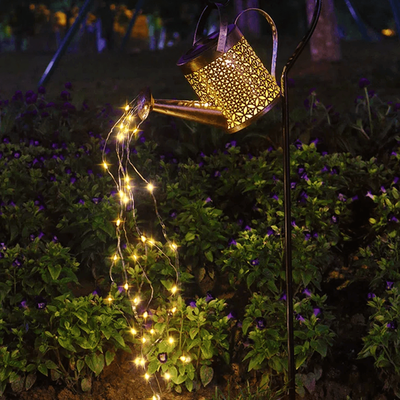
The Enchanted Watering Can The Enchanted Watering CanWant to decorate your garden with something eyecatching and unique Who doesn’t! So get this enchanted watering can and liven up the space like never before. This watering can pour light instead of water to make the view more magical. It is...49,97 $*Shipping: 0,00 $Secure redirect to the provider
-
Adjustable Spray Water Gun For Car Washing And Garden Watering Adjustable Spray Water Gun For Car Washing And Garden WateringEveryday cleaning and watering shouldnt feel like hard work. This adjustable spray gun gives you flexible water control for everything from gentle plant care to powerful car washing. Designed for home users who want one tool that does it all, it...58,95 $*Shipping: 0,00 $Secure redirect to the provider
-
How can one water plants with watering globes?
Watering globes are a simple and effective way to water plants. To use them, simply fill the globe with water and then insert the pointed end into the soil near the plant's roots. The water will slowly release from the globe, providing a consistent and controlled amount of moisture to the plant. This can be especially helpful for plants that require consistent watering, as the globes can help prevent over or under-watering. It's important to monitor the soil moisture and adjust the frequency of filling the globes based on the plant's needs. **
-
How can one use condensation water for watering plants?
Condensation water can be collected from air conditioning units, dehumidifiers, or even by placing a bowl outside during cool nights. This water can then be used to water plants by simply pouring it directly onto the soil at the base of the plants. It is important to ensure that the water collected is clean and free from any contaminants before using it on plants. Additionally, using condensation water for watering plants can help conserve water and reduce water bills. **
-
How do I dilute pool water for watering plants?
To dilute pool water for watering plants, you can mix the pool water with fresh water in a ratio of 1:1 or even higher, depending on the sensitivity of your plants. Make sure to test the pH and chlorine levels of the diluted water before using it on your plants to ensure it is safe for them. Additionally, avoid using pool water that has been treated with algaecides or other chemicals that could harm your plants. **
-
Why doesn't the water sink when watering the flowers?
When watering flowers, the water doesn't sink immediately because the soil acts as a sponge, absorbing the water and allowing it to slowly seep down to the roots. This process is called capillary action, where the water is drawn up through the tiny spaces in the soil. Additionally, the roots of the plants also absorb the water, further preventing it from sinking immediately. This slow and controlled release of water allows the plants to efficiently take in the moisture they need for growth and survival. **
* All prices are inclusive of VAT and, if applicable, plus shipping costs. The offer information is based on the details provided by the respective shop and is updated through automated processes. Real-time updates do not occur, so deviations can occur in individual cases. ** Note: Parts of this content were created by AI.