Buy aquasmartdata.eu ?
We are moving the project
aquasmartdata.eu .
Are you interested in purchasing the domain
aquasmartdata.eu ?
domain@kv-gmbh.de · 0541-91531010
Buy aquasmartdata.eu ?
Why do C4 plants require more water than C3 plants?
C4 plants require more water than C3 plants because they have a more efficient method of photosynthesis, which allows them to thrive in hot and dry conditions. This efficiency comes from their ability to minimize water loss through transpiration by partially closing their stomata during the day. However, in order to maintain this efficient photosynthetic process, C4 plants still require a significant amount of water to support their growth and metabolic processes. This makes them better adapted to arid environments, but also means they have a higher water requirement compared to C3 plants. **
How do plants obtain water?
Plants obtain water through their roots. The roots of a plant absorb water from the soil through a process called osmosis. Water is then transported through the plant's vascular system to the rest of the plant, providing it with the necessary hydration for growth and survival. **
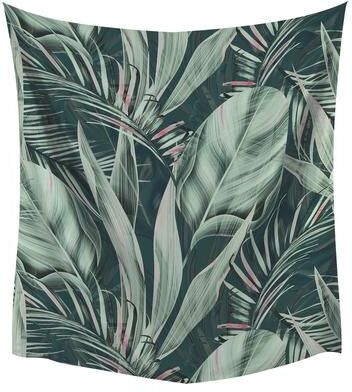

Similar search terms for Plants
Top-Angebote
Products related to Plants:
-
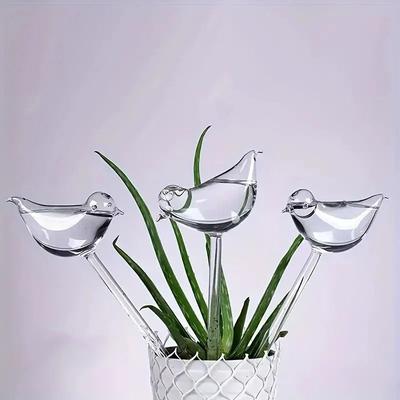
Uplifted Finds Automatic Bird Shaped Water Dispenser For Indoor Plants And Botanical Hydration 3 PcsInaugurate a direct energy for your environment with this integrated botanical hydration solution. This automatic water dispenser serves as a functional choice for your indoor gardening journeys, offering a passive alternative to manual watering...42,97 $*Shipping: 0,00 $Secure redirect to the provider
-
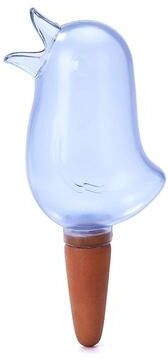
Inspired Deals Self Watering Bird Plant Waterer Automatic Drip Irrigation For Indoor Outdoor Plants water BlueKeep your plants thriving even when life gets busy with this charming self watering plant device. Designed for plant lovers who want effortless care, this birdshaped automatic plant waterer delivers consistent moisture exactly where its needed. Its...39,97 $*Shipping: 0,00 $Secure redirect to the provider
-
DEVERA 2-Pack 5.2FT Artificial Areca Palm PlantsFeatures Space-enhancing foliage Creates vertical greenery for compact areas. Artificial green plant home decoration no watering living room decoration. Uv resistant and not easy to fade factory delivery.125,49 $*Shipping: 0,00 $Secure redirect to the provider


-
When do plants absorb water?
Plants absorb water primarily through their roots. Water is absorbed by plant roots through a process called osmosis, where water molecules move from an area of high water concentration in the soil to an area of lower water concentration in the roots. This process occurs constantly as long as the plant is actively growing and transpiring water through its leaves. **
-
How are water plants dried?
Water plants are typically dried by first removing them from the water and allowing them to drain and air dry. Once the excess water has been removed, the plants are spread out in a well-ventilated area to dry further. Some methods of drying water plants involve using a dehydrator or oven set to a low temperature. The dried water plants can then be used for various purposes such as cooking, herbal remedies, or crafting. **
-
How do water plants reproduce?
Water plants reproduce in a few different ways. Some water plants reproduce through seeds, which are dispersed by water currents or animals. Others reproduce asexually through fragmentation, where a piece of the plant breaks off and grows into a new plant. Some water plants also reproduce through specialized structures like rhizomes or tubers, which can grow into new plants. Overall, water plants have evolved various strategies for reproduction to ensure their survival in aquatic environments. **
-
Can you water plants with sweet water?
Yes, you can water plants with sweet water, but it is not recommended. Sweet water, such as water with added sugar or other sweeteners, can attract pests and promote the growth of mold and bacteria in the soil. Additionally, the sugar can disrupt the balance of nutrients in the soil and harm the plant's roots. It is best to water plants with plain water or water that is specifically formulated for plant growth. **


Is stagnant water unhealthy for plants?
Yes, stagnant water can be unhealthy for plants as it can lead to root rot and other diseases. Stagnant water can deprive plants of oxygen, leading to suffocation of the roots. It can also create a breeding ground for mosquitoes and other pests that can harm the plants. It is important to ensure proper drainage to prevent water from becoming stagnant around plants. **
Why is water important for plants?
Water is important for plants because it is essential for various physiological processes such as photosynthesis, nutrient uptake, and transportation of minerals within the plant. Water also helps maintain the turgidity of plant cells, which is necessary for structural support and overall plant growth. Additionally, water helps regulate the temperature of the plant and serves as a medium for various biochemical reactions to occur. Without an adequate supply of water, plants would wilt, become dehydrated, and eventually die. **
Top-Angebote
Products related to Plants:
-
RHS Propagating Plants: How to Create New Plants For Free (New Edition) - Non Fiction - Hardback DKFill your garden with beautiful plants for next-to-nothing Do you long to grow your own plants from scratch? This complete guide from the experts at the RHS will teach you how to propagate every type of plant. If you're a thrifty gardener who wants more plants for free, then this book is perfect for you! From fruit trees and ornamental shrubs to exotic orchids and succulents, get all the info you need to propagate 1,500+ garden plants. Crammed with hundreds of step-by-step tutorials and clear advice, ranging from straightforward and simple to more in-depth and challenging. The rating system in the plant-by-plant A-Z dictionaries provides you with a quick reference to the relative ease or difficulty of each method of propagation. How long do your seedlings need to germinate? What makes a healthy stem cutting? How do you know what type of rootstock to use when grafting plants? Find out the answer to these questions and more in the most comprehensive guide to propagating plants ever published.12,99 £*Shipping: 2,99 £Secure redirect to the provider
-
Uplifted Finds Automatic Bird Shaped Water Dispenser For Indoor Plants And Botanical Hydration 3 PcsInaugurate a direct energy for your environment with this integrated botanical hydration solution. This automatic water dispenser serves as a functional choice for your indoor gardening journeys, offering a passive alternative to manual watering...42,97 $*Shipping: 0,00 $Secure redirect to the provider
-
Inspired Deals Self Watering Bird Plant Waterer Automatic Drip Irrigation For Indoor Outdoor Plants water BlueKeep your plants thriving even when life gets busy with this charming self watering plant device. Designed for plant lovers who want effortless care, this birdshaped automatic plant waterer delivers consistent moisture exactly where its needed. Its...39,97 $*Shipping: 0,00 $Secure redirect to the provider
-
Why do C4 plants require more water than C3 plants?
C4 plants require more water than C3 plants because they have a more efficient method of photosynthesis, which allows them to thrive in hot and dry conditions. This efficiency comes from their ability to minimize water loss through transpiration by partially closing their stomata during the day. However, in order to maintain this efficient photosynthetic process, C4 plants still require a significant amount of water to support their growth and metabolic processes. This makes them better adapted to arid environments, but also means they have a higher water requirement compared to C3 plants. **
-
How do plants obtain water?
Plants obtain water through their roots. The roots of a plant absorb water from the soil through a process called osmosis. Water is then transported through the plant's vascular system to the rest of the plant, providing it with the necessary hydration for growth and survival. **
-
When do plants absorb water?
Plants absorb water primarily through their roots. Water is absorbed by plant roots through a process called osmosis, where water molecules move from an area of high water concentration in the soil to an area of lower water concentration in the roots. This process occurs constantly as long as the plant is actively growing and transpiring water through its leaves. **
-
How are water plants dried?
Water plants are typically dried by first removing them from the water and allowing them to drain and air dry. Once the excess water has been removed, the plants are spread out in a well-ventilated area to dry further. Some methods of drying water plants involve using a dehydrator or oven set to a low temperature. The dried water plants can then be used for various purposes such as cooking, herbal remedies, or crafting. **
Similar search terms for Plants
-
DEVERA 2-Pack 5.2FT Artificial Areca Palm PlantsFeatures Space-enhancing foliage Creates vertical greenery for compact areas. Artificial green plant home decoration no watering living room decoration. Uv resistant and not easy to fade factory delivery.125,49 $*Shipping: 0,00 $Secure redirect to the provider
-
Seasalt Wavecrest Short Sleeve Top Apothecary Plants ChalkThe Seasalt Wavecrest Short Sleeve Top Apothecary Plants Chalk flaunts short sleeves and a relaxed fit. A softly rounded collar and notch neckline give the organic cotton shirt a distinctive detail, and it is finished with a curved hem and small side slits for easy movement. In an original Seasalt print, inspired by Cornish landscape. Made from 100% Organic Cotton. Machine washable.25,00 £*Shipping: 3,50 £Secure redirect to the provider
-
How do water plants reproduce?
Water plants reproduce in a few different ways. Some water plants reproduce through seeds, which are dispersed by water currents or animals. Others reproduce asexually through fragmentation, where a piece of the plant breaks off and grows into a new plant. Some water plants also reproduce through specialized structures like rhizomes or tubers, which can grow into new plants. Overall, water plants have evolved various strategies for reproduction to ensure their survival in aquatic environments. **
-
Can you water plants with sweet water?
Yes, you can water plants with sweet water, but it is not recommended. Sweet water, such as water with added sugar or other sweeteners, can attract pests and promote the growth of mold and bacteria in the soil. Additionally, the sugar can disrupt the balance of nutrients in the soil and harm the plant's roots. It is best to water plants with plain water or water that is specifically formulated for plant growth. **
-
Is stagnant water unhealthy for plants?
Yes, stagnant water can be unhealthy for plants as it can lead to root rot and other diseases. Stagnant water can deprive plants of oxygen, leading to suffocation of the roots. It can also create a breeding ground for mosquitoes and other pests that can harm the plants. It is important to ensure proper drainage to prevent water from becoming stagnant around plants. **
-
Why is water important for plants?
Water is important for plants because it is essential for various physiological processes such as photosynthesis, nutrient uptake, and transportation of minerals within the plant. Water also helps maintain the turgidity of plant cells, which is necessary for structural support and overall plant growth. Additionally, water helps regulate the temperature of the plant and serves as a medium for various biochemical reactions to occur. Without an adequate supply of water, plants would wilt, become dehydrated, and eventually die. **
* All prices are inclusive of VAT and, if applicable, plus shipping costs. The offer information is based on the details provided by the respective shop and is updated through automated processes. Real-time updates do not occur, so deviations can occur in individual cases. ** Note: Parts of this content were created by AI.