Buy aquasmartdata.eu ?
We are moving the project
aquasmartdata.eu .
Are you interested in purchasing the domain
aquasmartdata.eu ?
domain@kv-gmbh.de · 0541-91531010
Buy aquasmartdata.eu ?
Are photons electrons?
No, photons are not electrons. Photons are elementary particles that make up light and electromagnetic radiation, while electrons are negatively charged subatomic particles that are part of atoms. Photons have no mass and travel at the speed of light, while electrons have mass and are bound to the nucleus of an atom. **
What happens to photons?
Photons are elementary particles that make up light. They do not have mass and travel at the speed of light. When photons interact with matter, they can be absorbed, reflected, or transmitted. Absorption of photons can result in the excitation of electrons, leading to various physical and chemical processes. **

Similar search terms for Photons
Top-Angebote
Products related to Photons:
-
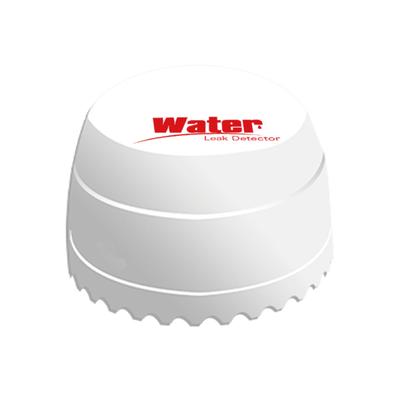
Tuya WiFi Smart Water Leak Sensor, Water Overflow Level Detector With Sound Alarm & Remote Monitoring Via App, Home Use Tuya WiFi Smart Water Leak Sensor, Water Overflow Level Detector With Sound Alarm & Remote Monitoring Via App, Home UseEnhance Your Home's Safety with the Tuya WiFi Smart Water Leak Sensor. Safeguard your property from unexpected water damage with the Tuya WiFi Smart Water Leak Sensor. Designed for precision and reliability, this device ensures early detection of...29,97 $*Shipping: 0,00 $Secure redirect to the provider
-
Smart WiFi Water Leak Detector, App Remote Monitoring Flood Sensor For Kitchen & Bathroom Home Assistant Compatible Smart WiFi Water Leak Detector, App Remote Monitoring Flood Sensor For Kitchen & Bathroom Home Assistant CompatibleProtect your home from unexpected water leaks and floods with our advanced Smart WiFi Water Leak Detector. Designed for modern homes, this compact device offers realtime monitoring and instant alerts, ensuring peace of mind whether you're at home or...19,97 $*Shipping: 0,00 $Secure redirect to the provider
-
Automotive Oil Pressure Sensor Connector & Temperature Sensor Plug For Engine Monitoring Automotive Oil Pressure Sensor Connector & Temperature Sensor Plug For Engine MonitoringReliable engine performance starts with accurate sensing, and this connector is built to deliver just that. Designed as a dependable oil pressure sensor connector, it ensures stable and precise signal transmission for critical engine monitoring...39,97 $*Shipping: 0,00 $Secure redirect to the provider
-
Smart Motion Sensor LED Night Light With Dual Sensor Technology usEnhance your home safety with this Motion Sensor LED Night Light, a specialized lighting utility designed to act as an efficient solution for dark hallways and bedrooms. Specifically engineered with a dual Light and PIR Motion Sensor framework, this...47,97 $*Shipping: 0,00 $Secure redirect to the provider


-
How are photons created?
Photons are created through a process called electromagnetic radiation. This occurs when an atom absorbs energy, causing its electrons to move to a higher energy level. When the electrons return to their original energy level, they release the absorbed energy in the form of photons. This process can happen in various ways, such as through thermal radiation, chemical reactions, or nuclear reactions. **
-
How can one convert the energy of different photons into monochromatic photons?
One way to convert the energy of different photons into monochromatic photons is through a process called frequency doubling or second harmonic generation. This involves passing the photons through a nonlinear crystal, which causes the photons to combine and create new photons with double the frequency and half the wavelength of the original photons. This results in monochromatic photons with a single, specific wavelength. Another method is through the use of filters or monochromators, which can selectively filter out photons of specific wavelengths, allowing only monochromatic photons to pass through. **
-
How far do photons travel?
Photons, as particles of light, travel at the speed of light in a vacuum, which is approximately 299,792 kilometers per second. This means that photons can travel vast distances in a very short amount of time. However, their travel distance can be affected by factors such as absorption, reflection, and scattering, which can cause them to be absorbed or redirected before reaching their destination. **
-
What distinguishes photons and protons?
Photons are elementary particles that carry electromagnetic radiation, such as light, while protons are subatomic particles found in the nucleus of an atom. Photons have no mass and travel at the speed of light, while protons have mass and are composed of quarks. Additionally, photons do not have an electric charge, while protons have a positive electric charge. **


Why can photons penetrate matter?
Photons can penetrate matter because they do not have an electric charge and are not affected by electromagnetic forces within the material. Additionally, photons do not have mass, allowing them to travel at the speed of light and pass through matter without being absorbed or deflected. This property of photons enables them to interact with atoms and molecules in the material, leading to phenomena such as absorption, reflection, and transmission. **
How can photons have mass?
Photons are massless particles according to the Standard Model of particle physics. They travel at the speed of light and have zero rest mass. However, in certain theoretical models beyond the Standard Model, such as some versions of string theory, it is possible for photons to acquire a small amount of mass through interactions with other particles or fields. This mass is typically very small and has not been experimentally observed. **
Top-Angebote
Products related to Photons:
-
Mini Vertical Float Switch Water Level Sensor For Fish Tanks Pools And Liquid Monitoring Mini Vertical Float Switch Water Level Sensor For Fish Tanks Pools And Liquid MonitoringKeep water levels exactly where you need them with this compact 1pcs water level sensor float switch built for simple, reliable monitoring. This vertical float switch is ideal for aquarium owners, DIY makers, and anyone managing tanks, pools, or...49,97 $*Shipping: 0,00 $Secure redirect to the provider
-
Smart Life APP WiFi Water Leak Detector, Flood Sensor With Remote Monitoring, Tuya Overflow Security Smart Life APP WiFi Water Leak Detector, Flood Sensor With Remote Monitoring, Tuya Overflow SecurityProtect your home from costly water damage with the Tuya WiFi Water Leak Detector. Whether you're at home or on the go, this smart sensor keeps you informed and ensures your home stays safe from waterrelated disasters. Remote Monitoring is made easy...45,97 $*Shipping: 0,00 $Secure redirect to the provider
-
Tuya WiFi Smart Water Leak Sensor, Water Overflow Level Detector With Sound Alarm & Remote Monitoring Via App, Home Use Tuya WiFi Smart Water Leak Sensor, Water Overflow Level Detector With Sound Alarm & Remote Monitoring Via App, Home UseEnhance Your Home's Safety with the Tuya WiFi Smart Water Leak Sensor. Safeguard your property from unexpected water damage with the Tuya WiFi Smart Water Leak Sensor. Designed for precision and reliability, this device ensures early detection of...29,97 $*Shipping: 0,00 $Secure redirect to the provider
-
Smart WiFi Water Leak Detector, App Remote Monitoring Flood Sensor For Kitchen & Bathroom Home Assistant Compatible Smart WiFi Water Leak Detector, App Remote Monitoring Flood Sensor For Kitchen & Bathroom Home Assistant CompatibleProtect your home from unexpected water leaks and floods with our advanced Smart WiFi Water Leak Detector. Designed for modern homes, this compact device offers realtime monitoring and instant alerts, ensuring peace of mind whether you're at home or...19,97 $*Shipping: 0,00 $Secure redirect to the provider
-
Are photons electrons?
No, photons are not electrons. Photons are elementary particles that make up light and electromagnetic radiation, while electrons are negatively charged subatomic particles that are part of atoms. Photons have no mass and travel at the speed of light, while electrons have mass and are bound to the nucleus of an atom. **
-
What happens to photons?
Photons are elementary particles that make up light. They do not have mass and travel at the speed of light. When photons interact with matter, they can be absorbed, reflected, or transmitted. Absorption of photons can result in the excitation of electrons, leading to various physical and chemical processes. **
-
How are photons created?
Photons are created through a process called electromagnetic radiation. This occurs when an atom absorbs energy, causing its electrons to move to a higher energy level. When the electrons return to their original energy level, they release the absorbed energy in the form of photons. This process can happen in various ways, such as through thermal radiation, chemical reactions, or nuclear reactions. **
-
How can one convert the energy of different photons into monochromatic photons?
One way to convert the energy of different photons into monochromatic photons is through a process called frequency doubling or second harmonic generation. This involves passing the photons through a nonlinear crystal, which causes the photons to combine and create new photons with double the frequency and half the wavelength of the original photons. This results in monochromatic photons with a single, specific wavelength. Another method is through the use of filters or monochromators, which can selectively filter out photons of specific wavelengths, allowing only monochromatic photons to pass through. **
Similar search terms for Photons
-
Automotive Oil Pressure Sensor Connector & Temperature Sensor Plug For Engine Monitoring Automotive Oil Pressure Sensor Connector & Temperature Sensor Plug For Engine MonitoringReliable engine performance starts with accurate sensing, and this connector is built to deliver just that. Designed as a dependable oil pressure sensor connector, it ensures stable and precise signal transmission for critical engine monitoring...39,97 $*Shipping: 0,00 $Secure redirect to the provider
-
Smart Motion Sensor LED Night Light With Dual Sensor Technology usEnhance your home safety with this Motion Sensor LED Night Light, a specialized lighting utility designed to act as an efficient solution for dark hallways and bedrooms. Specifically engineered with a dual Light and PIR Motion Sensor framework, this...47,97 $*Shipping: 0,00 $Secure redirect to the provider
-
Smart Water Leak Detector Flood Sensor With APP Remote Monitoring | Flood Alert & Overflow Security For Alexa & Google Smart Water Leak Detector Flood Sensor With APP Remote Monitoring | Flood Alert & Overflow Security For Alexa & GoogleEnsure peace of mind with the Smart Water Leak Detector Flood Sensor. This compact device is perfect for homeowners who want to prevent costly water damage. Featuring Smart Life app remote monitoring, it sends immediate flood alerts to your phone,...39,97 $*Shipping: 0,00 $Secure redirect to the provider
-
RAM TPMS Sensor Direct Fit Tire Pressure Monitoring Kit RAM TPMS Sensor Direct Fit Tire Pressure Monitoring KitDrive with confidence knowing your tires are being monitored mile after mile. This 4piece TPMS sensor kit is made for RAM 3500 drivers who want reliable tire pressure alerts without overcomplicating installation. Designed as a tire pressure...108,97 $*Shipping: 0,00 $Secure redirect to the provider
-
How far do photons travel?
Photons, as particles of light, travel at the speed of light in a vacuum, which is approximately 299,792 kilometers per second. This means that photons can travel vast distances in a very short amount of time. However, their travel distance can be affected by factors such as absorption, reflection, and scattering, which can cause them to be absorbed or redirected before reaching their destination. **
-
What distinguishes photons and protons?
Photons are elementary particles that carry electromagnetic radiation, such as light, while protons are subatomic particles found in the nucleus of an atom. Photons have no mass and travel at the speed of light, while protons have mass and are composed of quarks. Additionally, photons do not have an electric charge, while protons have a positive electric charge. **
-
Why can photons penetrate matter?
Photons can penetrate matter because they do not have an electric charge and are not affected by electromagnetic forces within the material. Additionally, photons do not have mass, allowing them to travel at the speed of light and pass through matter without being absorbed or deflected. This property of photons enables them to interact with atoms and molecules in the material, leading to phenomena such as absorption, reflection, and transmission. **
-
How can photons have mass?
Photons are massless particles according to the Standard Model of particle physics. They travel at the speed of light and have zero rest mass. However, in certain theoretical models beyond the Standard Model, such as some versions of string theory, it is possible for photons to acquire a small amount of mass through interactions with other particles or fields. This mass is typically very small and has not been experimentally observed. **
* All prices are inclusive of VAT and, if applicable, plus shipping costs. The offer information is based on the details provided by the respective shop and is updated through automated processes. Real-time updates do not occur, so deviations can occur in individual cases. ** Note: Parts of this content were created by AI.