Buy aquasmartdata.eu ?
We are moving the project
aquasmartdata.eu .
Are you interested in purchasing the domain
aquasmartdata.eu ?
domain@kv-gmbh.de · 0541-91531010
Buy aquasmartdata.eu ?
Does oxidizing mean the same as rusting?
Oxidizing and rusting are related processes, but they are not exactly the same. Oxidizing refers to a chemical reaction in which a substance loses electrons, while rusting specifically refers to the oxidation of iron and iron alloys. Rusting is a type of oxidation that occurs when iron or steel reacts with oxygen and moisture in the air to form iron oxide. So, while rusting is a form of oxidation, not all oxidation processes result in rusting. **
What are reducing agents and oxidizing agents?
Reducing agents are substances that donate electrons to another substance, causing it to be reduced. This means that the reducing agent itself is oxidized in the process. On the other hand, oxidizing agents are substances that accept electrons from another substance, causing it to be oxidized. This means that the oxidizing agent itself is reduced in the process. Both reducing agents and oxidizing agents play important roles in redox reactions, where one substance loses electrons (oxidation) and another gains electrons (reduction). **


Similar search terms for Oxidizing
Top-Angebote
Products related to Oxidizing:
-
Mini Vertical Float Switch Water Level Sensor For Fish Tanks Pools And Liquid Monitoring Mini Vertical Float Switch Water Level Sensor For Fish Tanks Pools And Liquid MonitoringKeep water levels exactly where you need them with this compact 1pcs water level sensor float switch built for simple, reliable monitoring. This vertical float switch is ideal for aquarium owners, DIY makers, and anyone managing tanks, pools, or...49,97 $*Shipping: 0,00 $Secure redirect to the provider
-
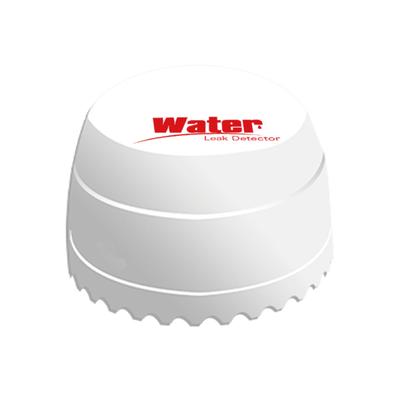
Smart Life APP WiFi Water Leak Detector, Flood Sensor With Remote Monitoring, Tuya Overflow Security Smart Life APP WiFi Water Leak Detector, Flood Sensor With Remote Monitoring, Tuya Overflow SecurityProtect your home from costly water damage with the Tuya WiFi Water Leak Detector. Whether you're at home or on the go, this smart sensor keeps you informed and ensures your home stays safe from waterrelated disasters. Remote Monitoring is made easy...45,97 $*Shipping: 0,00 $Secure redirect to the provider
-
Tuya WiFi Smart Water Leak Sensor, Water Overflow Level Detector With Sound Alarm & Remote Monitoring Via App, Home Use Tuya WiFi Smart Water Leak Sensor, Water Overflow Level Detector With Sound Alarm & Remote Monitoring Via App, Home UseEnhance Your Home's Safety with the Tuya WiFi Smart Water Leak Sensor. Safeguard your property from unexpected water damage with the Tuya WiFi Smart Water Leak Sensor. Designed for precision and reliability, this device ensures early detection of...29,97 $*Shipping: 0,00 $Secure redirect to the provider
-
Smart WiFi Water Leak Detector, App Remote Monitoring Flood Sensor For Kitchen & Bathroom Home Assistant Compatible Smart WiFi Water Leak Detector, App Remote Monitoring Flood Sensor For Kitchen & Bathroom Home Assistant CompatibleProtect your home from unexpected water leaks and floods with our advanced Smart WiFi Water Leak Detector. Designed for modern homes, this compact device offers realtime monitoring and instant alerts, ensuring peace of mind whether you're at home or...19,97 $*Shipping: 0,00 $Secure redirect to the provider



-
Why is oxygen a strong oxidizing agent?
Oxygen is a strong oxidizing agent because it has a high electronegativity, meaning it has a strong attraction for electrons. This allows it to readily accept electrons from other substances, causing them to be oxidized. Additionally, oxygen forms stable and energetically favorable compounds when it gains electrons, such as in the formation of water. This combination of high electronegativity and the stability of its reduced form makes oxygen a powerful oxidizing agent. **
-
When is hydrogen sulfide an oxidizing agent?
Hydrogen sulfide can act as an oxidizing agent when it reacts with certain metals, such as iron, copper, or silver. In these reactions, hydrogen sulfide is oxidized to form sulfur or sulfur dioxide, while the metal is reduced. This can occur in various chemical and biological processes, such as in the corrosion of metal pipes or in certain biological pathways where hydrogen sulfide is involved. Overall, hydrogen sulfide's ability to act as an oxidizing agent depends on the specific reaction and the substances involved. **
-
What substance is the strongest oxidizing agent?
The strongest oxidizing agent is fluorine (F2). Fluorine has the highest electronegativity of all the elements, which means it has a strong attraction for electrons. This makes it highly reactive and able to readily accept electrons from other substances, causing them to be oxidized. As a result, fluorine is a powerful oxidizing agent and can react with a wide variety of other elements and compounds. **
-
Why do some acids act as oxidizing agents?
Some acids act as oxidizing agents because they have the ability to donate oxygen atoms or accept electrons from other substances. This results in the oxidation of the other substance, while the acid itself is reduced. Acids with a high oxidation state, such as nitric acid or sulfuric acid, are particularly good oxidizing agents due to their ability to readily transfer oxygen atoms or accept electrons. This property makes them useful in various chemical reactions where oxidation is required. **


What is the composition of the oxidizing atmosphere?
The oxidizing atmosphere is composed of gases such as oxygen (O2), ozone (O3), and nitrogen dioxide (NO2) that have the ability to accept electrons from other substances, causing oxidation reactions. These gases are present in the Earth's atmosphere and are responsible for processes such as combustion, rusting, and the breakdown of organic matter. The presence of these oxidizing gases is essential for many natural processes, but can also contribute to air pollution and environmental damage when present in high concentrations. **
What is the difference between rusting and oxidizing?
Rusting specifically refers to the corrosion of iron and its alloys, typically due to exposure to moisture and oxygen. Oxidizing, on the other hand, is a more general term that refers to the process of a substance losing electrons and increasing its oxidation state. While rusting is a specific type of oxidation that occurs with iron, oxidizing can occur with a wide range of materials and is not limited to just metals. **
Top-Angebote
Products related to Oxidizing:
-
Cotril Hydra Hydrating and Anti-Oxidizing Shampoo 300mLA shampoo for dry or dehydrated skin. Revitalize dehydrated hair with Hydra Hydrating Shampoo. This nourishing, anti-oxidizing formula restores moisture, protects against free radicals, and leaves hair shiny, soft, and healthy. Deeply hydrates and nourishes dry, dehydrated hair. Anti-oxidizing action fights free radicals for healthier hair.15,11 £*Shipping: 7,11 £Secure redirect to the provider
-
Cotril Hydra Hydrating and Anti-Oxidizing Mask 200mLA hair-care product for dry or dehydrated skin. Revive dehydrated hair with Hydra Hydrating Mask. This intensive, anti-oxidizing treatment restores moisture, enhances softness, adds gloss, and improves compatibility for silky, healthy-looking hair. Provides deep moisture and nourishment to dry, dehydrated hair.17,53 £*Shipping: 7,11 £Secure redirect to the provider
-
Mini Vertical Float Switch Water Level Sensor For Fish Tanks Pools And Liquid Monitoring Mini Vertical Float Switch Water Level Sensor For Fish Tanks Pools And Liquid MonitoringKeep water levels exactly where you need them with this compact 1pcs water level sensor float switch built for simple, reliable monitoring. This vertical float switch is ideal for aquarium owners, DIY makers, and anyone managing tanks, pools, or...49,97 $*Shipping: 0,00 $Secure redirect to the provider
-
Smart Life APP WiFi Water Leak Detector, Flood Sensor With Remote Monitoring, Tuya Overflow Security Smart Life APP WiFi Water Leak Detector, Flood Sensor With Remote Monitoring, Tuya Overflow SecurityProtect your home from costly water damage with the Tuya WiFi Water Leak Detector. Whether you're at home or on the go, this smart sensor keeps you informed and ensures your home stays safe from waterrelated disasters. Remote Monitoring is made easy...45,97 $*Shipping: 0,00 $Secure redirect to the provider
-
Does oxidizing mean the same as rusting?
Oxidizing and rusting are related processes, but they are not exactly the same. Oxidizing refers to a chemical reaction in which a substance loses electrons, while rusting specifically refers to the oxidation of iron and iron alloys. Rusting is a type of oxidation that occurs when iron or steel reacts with oxygen and moisture in the air to form iron oxide. So, while rusting is a form of oxidation, not all oxidation processes result in rusting. **
-
What are reducing agents and oxidizing agents?
Reducing agents are substances that donate electrons to another substance, causing it to be reduced. This means that the reducing agent itself is oxidized in the process. On the other hand, oxidizing agents are substances that accept electrons from another substance, causing it to be oxidized. This means that the oxidizing agent itself is reduced in the process. Both reducing agents and oxidizing agents play important roles in redox reactions, where one substance loses electrons (oxidation) and another gains electrons (reduction). **
-
Why is oxygen a strong oxidizing agent?
Oxygen is a strong oxidizing agent because it has a high electronegativity, meaning it has a strong attraction for electrons. This allows it to readily accept electrons from other substances, causing them to be oxidized. Additionally, oxygen forms stable and energetically favorable compounds when it gains electrons, such as in the formation of water. This combination of high electronegativity and the stability of its reduced form makes oxygen a powerful oxidizing agent. **
-
When is hydrogen sulfide an oxidizing agent?
Hydrogen sulfide can act as an oxidizing agent when it reacts with certain metals, such as iron, copper, or silver. In these reactions, hydrogen sulfide is oxidized to form sulfur or sulfur dioxide, while the metal is reduced. This can occur in various chemical and biological processes, such as in the corrosion of metal pipes or in certain biological pathways where hydrogen sulfide is involved. Overall, hydrogen sulfide's ability to act as an oxidizing agent depends on the specific reaction and the substances involved. **
Similar search terms for Oxidizing
-
Tuya WiFi Smart Water Leak Sensor, Water Overflow Level Detector With Sound Alarm & Remote Monitoring Via App, Home Use Tuya WiFi Smart Water Leak Sensor, Water Overflow Level Detector With Sound Alarm & Remote Monitoring Via App, Home UseEnhance Your Home's Safety with the Tuya WiFi Smart Water Leak Sensor. Safeguard your property from unexpected water damage with the Tuya WiFi Smart Water Leak Sensor. Designed for precision and reliability, this device ensures early detection of...29,97 $*Shipping: 0,00 $Secure redirect to the provider
-
Smart WiFi Water Leak Detector, App Remote Monitoring Flood Sensor For Kitchen & Bathroom Home Assistant Compatible Smart WiFi Water Leak Detector, App Remote Monitoring Flood Sensor For Kitchen & Bathroom Home Assistant CompatibleProtect your home from unexpected water leaks and floods with our advanced Smart WiFi Water Leak Detector. Designed for modern homes, this compact device offers realtime monitoring and instant alerts, ensuring peace of mind whether you're at home or...19,97 $*Shipping: 0,00 $Secure redirect to the provider
-
Automotive Oil Pressure Sensor Connector & Temperature Sensor Plug For Engine Monitoring Automotive Oil Pressure Sensor Connector & Temperature Sensor Plug For Engine MonitoringReliable engine performance starts with accurate sensing, and this connector is built to deliver just that. Designed as a dependable oil pressure sensor connector, it ensures stable and precise signal transmission for critical engine monitoring...39,97 $*Shipping: 0,00 $Secure redirect to the provider
-
Smart Motion Sensor LED Night Light With Dual Sensor Technology usEnhance your home safety with this Motion Sensor LED Night Light, a specialized lighting utility designed to act as an efficient solution for dark hallways and bedrooms. Specifically engineered with a dual Light and PIR Motion Sensor framework, this...47,97 $*Shipping: 0,00 $Secure redirect to the provider
-
What substance is the strongest oxidizing agent?
The strongest oxidizing agent is fluorine (F2). Fluorine has the highest electronegativity of all the elements, which means it has a strong attraction for electrons. This makes it highly reactive and able to readily accept electrons from other substances, causing them to be oxidized. As a result, fluorine is a powerful oxidizing agent and can react with a wide variety of other elements and compounds. **
-
Why do some acids act as oxidizing agents?
Some acids act as oxidizing agents because they have the ability to donate oxygen atoms or accept electrons from other substances. This results in the oxidation of the other substance, while the acid itself is reduced. Acids with a high oxidation state, such as nitric acid or sulfuric acid, are particularly good oxidizing agents due to their ability to readily transfer oxygen atoms or accept electrons. This property makes them useful in various chemical reactions where oxidation is required. **
-
What is the composition of the oxidizing atmosphere?
The oxidizing atmosphere is composed of gases such as oxygen (O2), ozone (O3), and nitrogen dioxide (NO2) that have the ability to accept electrons from other substances, causing oxidation reactions. These gases are present in the Earth's atmosphere and are responsible for processes such as combustion, rusting, and the breakdown of organic matter. The presence of these oxidizing gases is essential for many natural processes, but can also contribute to air pollution and environmental damage when present in high concentrations. **
-
What is the difference between rusting and oxidizing?
Rusting specifically refers to the corrosion of iron and its alloys, typically due to exposure to moisture and oxygen. Oxidizing, on the other hand, is a more general term that refers to the process of a substance losing electrons and increasing its oxidation state. While rusting is a specific type of oxidation that occurs with iron, oxidizing can occur with a wide range of materials and is not limited to just metals. **
* All prices are inclusive of VAT and, if applicable, plus shipping costs. The offer information is based on the details provided by the respective shop and is updated through automated processes. Real-time updates do not occur, so deviations can occur in individual cases. ** Note: Parts of this content were created by AI.