Buy aquasmartdata.eu ?
We are moving the project
aquasmartdata.eu .
Are you interested in purchasing the domain
aquasmartdata.eu ?
domain@kv-gmbh.de · 0541-91531010
Buy aquasmartdata.eu ?
Which optical illusions and illusions do you find the most intense?
I find the Ames room illusion to be the most intense, as it completely distorts the perception of depth and size. The way it makes people appear to grow or shrink as they move around the room is truly mind-boggling. Additionally, the motion aftereffect illusion, where staring at a moving pattern can cause stationary objects to appear to move, is also quite intense and can be disorienting. Both of these illusions really challenge our understanding of visual perception and how our brains interpret the world around us. **
Do you like optical illusions?
As an AI, I do not have personal preferences or feelings. However, I can appreciate the creativity and ingenuity behind optical illusions. They are fascinating to observe and can challenge our perception of reality, making them a fun and intriguing form of art. **


Similar search terms for Nourison-Graphic-Illusions-GIL19
Top-Angebote
Products related to Nourison-Graphic-Illusions-GIL19:
-
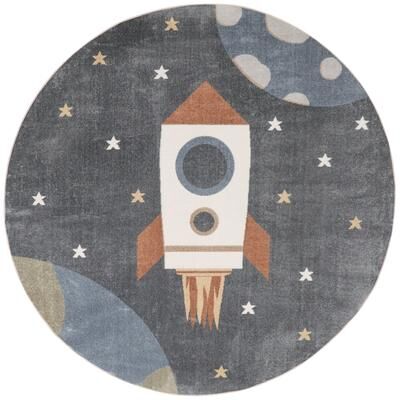
Nourison Astra Machine Washable Graphic Area RugZoom away to new frontiers with this kids rug from the Astra Machine Washable Collection. A soft multicolored rocket soars through space on a blue background, inspiring dreams and hours of imaginative play in your child's playroom or bedroom.110,49 $*Shipping: 0,00 $Secure redirect to the provider


-
Are optical illusions physically explainable?
Yes, optical illusions are physically explainable. They occur when our brain interprets visual information in a way that does not match the physical reality of the stimulus. This can happen due to the way our eyes perceive light and color, or how our brain processes and interprets visual information. Scientists and researchers have been able to study and explain many optical illusions through understanding the mechanisms of human vision and perception. **
-
What is the exact difference between a graphic analysis and a graphic interpretation?
A graphic analysis involves examining the visual elements of a graphic, such as its colors, shapes, and layout, to understand its design and composition. It focuses on the formal aspects of the graphic and how they contribute to its overall impact. On the other hand, a graphic interpretation involves delving deeper into the meaning and message conveyed by the graphic. It considers the context, cultural references, and symbolism within the graphic to uncover its intended or inferred significance. In essence, while a graphic analysis looks at the visual elements, a graphic interpretation seeks to understand the deeper meaning behind those elements. **
-
How can one spawn illusions normally?
One can spawn illusions normally through various means such as using special effects equipment like projectors or holographic technology, creating optical illusions through clever use of lighting and props, or utilizing sleight of hand techniques to create visual tricks. Additionally, one can also spawn illusions through the power of suggestion and manipulation of perception, such as through hypnotism or mentalism techniques. Overall, spawning illusions normally requires a combination of creativity, skill, and understanding of human perception. **
-
How can one resolve acoustic illusions?
One can resolve acoustic illusions by first being aware of the phenomenon and understanding that our auditory system can sometimes misinterpret sounds. It is important to carefully listen to the sound in question and try to identify any potential sources of the illusion, such as echoes, reverberations, or overlapping sounds. Adjusting the environment by reducing background noise or changing the positioning of speakers or instruments can also help to resolve acoustic illusions. Additionally, seeking input from others and using recording equipment to analyze the sound can provide further insight into the nature of the illusion and how to address it. **


How exactly do optical illusions work?
Optical illusions work by exploiting the way our brains interpret visual information. They often involve manipulating factors such as perspective, color, and contrast to create images that can deceive our perception. Our brains try to make sense of the visual input they receive, and optical illusions take advantage of this by presenting conflicting or ambiguous information that can trick our brains into perceiving something that isn't actually there. This can lead to the perception of movement, distortion of shapes, or other visual phenomena that defy our expectations. **
How do you conduct a graphic analysis?
To conduct a graphic analysis, start by carefully examining the graphic to understand its components, such as title, labels, and data points. Then, consider the context in which the graphic is presented and the message it is trying to convey. Next, analyze the visual elements, such as color, size, and shape, to understand how they contribute to the overall meaning. Finally, interpret the data and draw conclusions based on the information presented in the graphic. **
Top-Angebote
Products related to Nourison-Graphic-Illusions-GIL19:
-
Nourison Graphic Illusions Abstract Textured Area RugThe alluring boldness of this rug's design is bound to leave a tantalizing impression in your space. An exciting high-low texture and loop pile construction are paired with a vivid color palette for distinctive flair and wonderful depth.219,72 $*Shipping: 0,00 $Secure redirect to the provider
-
Nourison Astra Machine Washable Graphic Area RugZoom away to new frontiers with this kids rug from the Astra Machine Washable Collection. A soft multicolored rocket soars through space on a blue background, inspiring dreams and hours of imaginative play in your child's playroom or bedroom.110,49 $*Shipping: 0,00 $Secure redirect to the provider
-
Which optical illusions and illusions do you find the most intense?
I find the Ames room illusion to be the most intense, as it completely distorts the perception of depth and size. The way it makes people appear to grow or shrink as they move around the room is truly mind-boggling. Additionally, the motion aftereffect illusion, where staring at a moving pattern can cause stationary objects to appear to move, is also quite intense and can be disorienting. Both of these illusions really challenge our understanding of visual perception and how our brains interpret the world around us. **
-
Do you like optical illusions?
As an AI, I do not have personal preferences or feelings. However, I can appreciate the creativity and ingenuity behind optical illusions. They are fascinating to observe and can challenge our perception of reality, making them a fun and intriguing form of art. **
-
Are optical illusions physically explainable?
Yes, optical illusions are physically explainable. They occur when our brain interprets visual information in a way that does not match the physical reality of the stimulus. This can happen due to the way our eyes perceive light and color, or how our brain processes and interprets visual information. Scientists and researchers have been able to study and explain many optical illusions through understanding the mechanisms of human vision and perception. **
-
What is the exact difference between a graphic analysis and a graphic interpretation?
A graphic analysis involves examining the visual elements of a graphic, such as its colors, shapes, and layout, to understand its design and composition. It focuses on the formal aspects of the graphic and how they contribute to its overall impact. On the other hand, a graphic interpretation involves delving deeper into the meaning and message conveyed by the graphic. It considers the context, cultural references, and symbolism within the graphic to uncover its intended or inferred significance. In essence, while a graphic analysis looks at the visual elements, a graphic interpretation seeks to understand the deeper meaning behind those elements. **
Similar search terms for Nourison-Graphic-Illusions-GIL19
-
Nourison Imagination Indoor only Blue Ribbon Graphic Area RugStep into a world of wonder with the Imagination Collection of kids rugs. Each design is a delightful escape, perfect for sparking hours of play in a classroom or child's playroom.80,97 $*Shipping: 0,00 $Secure redirect to the provider
-
Nourison Imagination Indoor only Blue Skateboard Graphic Area RugStep into a world of wonder with the Imagination Collection of kids rugs. Each design is a delightful escape, perfect for sparking hours of play in a classroom or child's playroom.62,24 $*Shipping: 0,00 $Secure redirect to the provider
-
How can one spawn illusions normally?
One can spawn illusions normally through various means such as using special effects equipment like projectors or holographic technology, creating optical illusions through clever use of lighting and props, or utilizing sleight of hand techniques to create visual tricks. Additionally, one can also spawn illusions through the power of suggestion and manipulation of perception, such as through hypnotism or mentalism techniques. Overall, spawning illusions normally requires a combination of creativity, skill, and understanding of human perception. **
-
How can one resolve acoustic illusions?
One can resolve acoustic illusions by first being aware of the phenomenon and understanding that our auditory system can sometimes misinterpret sounds. It is important to carefully listen to the sound in question and try to identify any potential sources of the illusion, such as echoes, reverberations, or overlapping sounds. Adjusting the environment by reducing background noise or changing the positioning of speakers or instruments can also help to resolve acoustic illusions. Additionally, seeking input from others and using recording equipment to analyze the sound can provide further insight into the nature of the illusion and how to address it. **
-
How exactly do optical illusions work?
Optical illusions work by exploiting the way our brains interpret visual information. They often involve manipulating factors such as perspective, color, and contrast to create images that can deceive our perception. Our brains try to make sense of the visual input they receive, and optical illusions take advantage of this by presenting conflicting or ambiguous information that can trick our brains into perceiving something that isn't actually there. This can lead to the perception of movement, distortion of shapes, or other visual phenomena that defy our expectations. **
-
How do you conduct a graphic analysis?
To conduct a graphic analysis, start by carefully examining the graphic to understand its components, such as title, labels, and data points. Then, consider the context in which the graphic is presented and the message it is trying to convey. Next, analyze the visual elements, such as color, size, and shape, to understand how they contribute to the overall meaning. Finally, interpret the data and draw conclusions based on the information presented in the graphic. **
* All prices are inclusive of VAT and, if applicable, plus shipping costs. The offer information is based on the details provided by the respective shop and is updated through automated processes. Real-time updates do not occur, so deviations can occur in individual cases. ** Note: Parts of this content were created by AI.