Buy aquasmartdata.eu ?
We are moving the project
aquasmartdata.eu .
Are you interested in purchasing the domain
aquasmartdata.eu ?
domain@kv-gmbh.de · 0541-91531010
Buy aquasmartdata.eu ?
Which metals dissolve in water?
Metals that are more reactive, such as alkali metals (e.g. sodium, potassium) and alkaline earth metals (e.g. calcium, magnesium), can react with water to form metal hydroxides and hydrogen gas. These metals can dissolve in water to varying degrees depending on their reactivity. However, less reactive metals such as gold, silver, and platinum do not dissolve in water under normal conditions. **
Which metals are ferrous metals?
Ferrous metals are metals that contain iron, such as steel and cast iron. These metals are known for their strength and durability, making them commonly used in construction, manufacturing, and automotive industries. Ferrous metals are also magnetic and have good conductivity, making them versatile for various applications. **


Similar search terms for Metals
Top-Angebote
Products related to Metals:
-
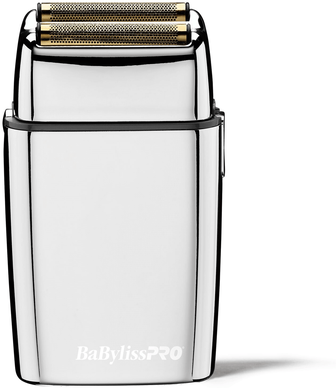
BaBylissPRO Silver Metals Cordless Metal Double Foil ShaverProfessional, full-size metal foil shaver equipped with a powerful rotary motor. A great tool for an extra-close shave on the neck, face, and all around the hairline.Replacement Blade for FXFS1Clipper and Trimmer Sales are Final*149,99 $*Shipping: 0,00 $Secure redirect to the provider
-
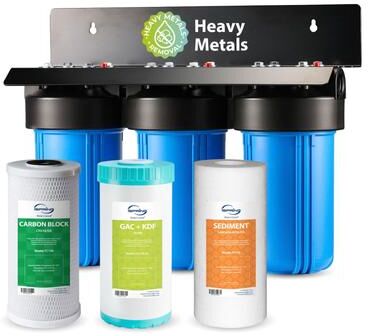
iSpring WGB31B-KS Whole House Water Filter System, Reduces Heavy Metals, Lead, Chlorine, Chloramine, Sediments"Reliable 3-Stage Whole House Water Filtration – This whole house water filter system features a 10"" x 4.5"" sediment filter, a GAC KDF compound filter, and a high-quality carbon block filter to effectively reduce sediments, chlorine, heavy metals,…"305,03 $*Shipping: 0,00 $Secure redirect to the provider
-
iSpring F3WGB31BKS Whole House Water Filter Replacement Pack, Reduces Heavy Metals, Lead, Hydrogen Sulfide, Chlorine, SedimentsReliable 3-Stage Whole House Water Filter – This whole house water filter repleacement set includes a 10” x 4.5” sediment filter (FP15B), a GAC KDF compound filter (FG15B-KS), and a high-quality carbon block filter (FC15B) to effectively reduce...164,99 $*Shipping: 0,00 $Secure redirect to the provider

-
What are precious metals and base metals?
Precious metals are rare, naturally occurring metallic elements that have high economic value. Examples of precious metals include gold, silver, and platinum. These metals are often used in jewelry, investment, and industrial applications. On the other hand, base metals are more common metallic elements that are not as valuable as precious metals. Examples of base metals include copper, zinc, and nickel. These metals are widely used in construction, manufacturing, and electrical applications. **
-
Why can base metals precipitate noble metals?
Base metals can precipitate noble metals through a process called cementation. This occurs because base metals have a higher reactivity compared to noble metals. When a base metal is in contact with a solution containing a noble metal ion, the base metal will oxidize and release electrons, causing the noble metal ion to be reduced and form a solid precipitate on the surface of the base metal. This allows for the separation and recovery of noble metals from a solution containing a mixture of different metals. **
-
Why are alkali metals called alkali metals?
Alkali metals are called alkali metals because they form alkaline solutions when they react with water. When alkali metals such as lithium, sodium, and potassium come into contact with water, they produce hydroxide ions, which make the solution alkaline. This property of forming alkaline solutions is the reason why they are called alkali metals. **
-
How do alkali metals react with water?
Alkali metals react vigorously with water, producing hydrogen gas and a metal hydroxide. The reaction becomes more vigorous as you move down the group, with lithium being the least reactive and francium being the most reactive. The reaction is exothermic, meaning it releases heat, and can even result in the metal catching fire or exploding. This is due to the highly exothermic nature of the reaction and the rapid production of hydrogen gas. **

Why are alloys rather than pure metals used in technology?
Alloys are used in technology rather than pure metals because they often have improved properties compared to pure metals. For example, alloys can be stronger, more durable, and have better resistance to corrosion. By combining different metals, engineers can tailor the properties of the alloy to meet specific technological requirements. Additionally, alloys can also be more cost-effective than pure metals, making them a preferred choice for many industrial applications. **
Why are all elements of the transition metals metals?
All elements of the transition metals are metals because they share common characteristics such as being good conductors of heat and electricity, having high melting and boiling points, and being malleable and ductile. These properties are due to the presence of loosely held electrons in their outermost energy levels, which allows them to easily lose electrons and form positive ions. Transition metals also have a high density and luster, further contributing to their classification as metals. **
Top-Angebote
Products related to Metals:
-
BaBylissPRO Silver Metals Cordless ClipperSilver Metals Cordless Clipper is a cord/cordless lithium clipper, equipped with a high torque brushless engine. A perfect tool for cutting all hair textures with power, speed and precision. Clipper and Trimmer Sales are Final*249,99 $*Shipping: 0,00 $Secure redirect to the provider
-
BaBylissPRO Silver Metals Cordless Metal Single Foil ShaverProfessional, full-size metal foil shaver equipped with a powerful rotary motor.A great tool for an extra-close shave on the neck, face, and all around the hairline. Clipper and Trimmer Sales are Final*69,99 $*Shipping: 0,00 $Secure redirect to the provider
-
BaBylissPRO Silver Metals Cordless Metal Double Foil ShaverProfessional, full-size metal foil shaver equipped with a powerful rotary motor. A great tool for an extra-close shave on the neck, face, and all around the hairline.Replacement Blade for FXFS1Clipper and Trimmer Sales are Final*149,99 $*Shipping: 0,00 $Secure redirect to the provider
-
Which metals dissolve in water?
Metals that are more reactive, such as alkali metals (e.g. sodium, potassium) and alkaline earth metals (e.g. calcium, magnesium), can react with water to form metal hydroxides and hydrogen gas. These metals can dissolve in water to varying degrees depending on their reactivity. However, less reactive metals such as gold, silver, and platinum do not dissolve in water under normal conditions. **
-
Which metals are ferrous metals?
Ferrous metals are metals that contain iron, such as steel and cast iron. These metals are known for their strength and durability, making them commonly used in construction, manufacturing, and automotive industries. Ferrous metals are also magnetic and have good conductivity, making them versatile for various applications. **
-
What are precious metals and base metals?
Precious metals are rare, naturally occurring metallic elements that have high economic value. Examples of precious metals include gold, silver, and platinum. These metals are often used in jewelry, investment, and industrial applications. On the other hand, base metals are more common metallic elements that are not as valuable as precious metals. Examples of base metals include copper, zinc, and nickel. These metals are widely used in construction, manufacturing, and electrical applications. **
-
Why can base metals precipitate noble metals?
Base metals can precipitate noble metals through a process called cementation. This occurs because base metals have a higher reactivity compared to noble metals. When a base metal is in contact with a solution containing a noble metal ion, the base metal will oxidize and release electrons, causing the noble metal ion to be reduced and form a solid precipitate on the surface of the base metal. This allows for the separation and recovery of noble metals from a solution containing a mixture of different metals. **
Similar search terms for Metals
-
iSpring WGB31B-KS Whole House Water Filter System, Reduces Heavy Metals, Lead, Chlorine, Chloramine, Sediments"Reliable 3-Stage Whole House Water Filtration – This whole house water filter system features a 10"" x 4.5"" sediment filter, a GAC KDF compound filter, and a high-quality carbon block filter to effectively reduce sediments, chlorine, heavy metals,…"305,03 $*Shipping: 0,00 $Secure redirect to the provider
-
iSpring F3WGB31BKS Whole House Water Filter Replacement Pack, Reduces Heavy Metals, Lead, Hydrogen Sulfide, Chlorine, SedimentsReliable 3-Stage Whole House Water Filter – This whole house water filter repleacement set includes a 10” x 4.5” sediment filter (FP15B), a GAC KDF compound filter (FG15B-KS), and a high-quality carbon block filter (FC15B) to effectively reduce...164,99 $*Shipping: 0,00 $Secure redirect to the provider
-
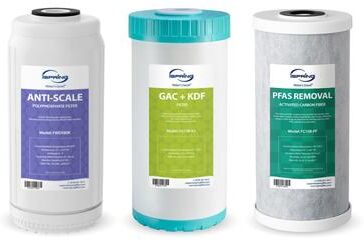
iSpring F3WGB31BPFKDS Water Filter Pack, SGS-Tested, Reduces PFAS, Scale, Heavy Metals, Chlorine, Corrosion, Taste & OdorEssential Replacement for WGB31B-PFKDS – This 3-stage PFAS water filter replacement set is specially designed for the iSpring WGB31B-PFKDS whole house water filtration system. Ideal for treating well water, city water, or any whole-home water setup.356,99 $*Shipping: 0,00 $Secure redirect to the provider
-
iSpring WCB32CKS 3-Stage Heavy Metals Whole House Water Filter System, Reduces Lead, Chloramine, PFAS, Chlorine, SedimentsGAC and KDF Filtration Excellence: Our second-stage GAC and KDF composite filter effectively removes a wide range of contaminants, including chlorine, PFAS, lead, radon, chloramine, and H2S.249,39 $*Shipping: 0,00 $Secure redirect to the provider
-
Why are alkali metals called alkali metals?
Alkali metals are called alkali metals because they form alkaline solutions when they react with water. When alkali metals such as lithium, sodium, and potassium come into contact with water, they produce hydroxide ions, which make the solution alkaline. This property of forming alkaline solutions is the reason why they are called alkali metals. **
-
How do alkali metals react with water?
Alkali metals react vigorously with water, producing hydrogen gas and a metal hydroxide. The reaction becomes more vigorous as you move down the group, with lithium being the least reactive and francium being the most reactive. The reaction is exothermic, meaning it releases heat, and can even result in the metal catching fire or exploding. This is due to the highly exothermic nature of the reaction and the rapid production of hydrogen gas. **
-
Why are alloys rather than pure metals used in technology?
Alloys are used in technology rather than pure metals because they often have improved properties compared to pure metals. For example, alloys can be stronger, more durable, and have better resistance to corrosion. By combining different metals, engineers can tailor the properties of the alloy to meet specific technological requirements. Additionally, alloys can also be more cost-effective than pure metals, making them a preferred choice for many industrial applications. **
-
Why are all elements of the transition metals metals?
All elements of the transition metals are metals because they share common characteristics such as being good conductors of heat and electricity, having high melting and boiling points, and being malleable and ductile. These properties are due to the presence of loosely held electrons in their outermost energy levels, which allows them to easily lose electrons and form positive ions. Transition metals also have a high density and luster, further contributing to their classification as metals. **
* All prices are inclusive of VAT and, if applicable, plus shipping costs. The offer information is based on the details provided by the respective shop and is updated through automated processes. Real-time updates do not occur, so deviations can occur in individual cases. ** Note: Parts of this content were created by AI.