Buy aquasmartdata.eu ?
We are moving the project
aquasmartdata.eu .
Are you interested in purchasing the domain
aquasmartdata.eu ?
domain@kv-gmbh.de · 0541-91531010
Buy aquasmartdata.eu ?
Is the ball bearing stuck in the axle?
To determine if the ball bearing is stuck in the axle, you can try to rotate the axle and see if the ball bearing moves freely. If the ball bearing is stuck, it will not rotate with the axle and may cause friction or resistance. You can also try to remove the ball bearing from the axle and inspect it for any signs of damage or debris that may be causing it to be stuck. If the ball bearing is indeed stuck, it may need to be cleaned or replaced to ensure smooth operation of the axle. **
What is the cause of the defective rear axle bearing?
The cause of the defective rear axle bearing can be attributed to a variety of factors. One possible cause could be inadequate lubrication, leading to increased friction and wear on the bearing. Another potential cause could be the use of low-quality or faulty materials in the manufacturing process. Additionally, improper installation or maintenance of the bearing could also contribute to its defectiveness. Identifying the specific cause of the defective rear axle bearing would require a thorough inspection and analysis of the bearing and its surrounding components. **

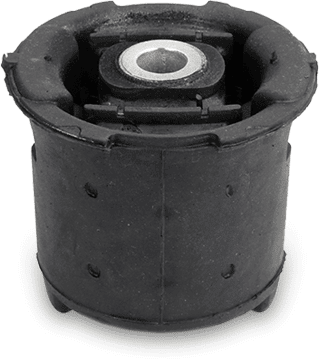
Similar search terms for Premium-Billet-Axle-Bearing
Top-Angebote
Products related to Premium-Billet-Axle-Bearing:


-
How can one convert an axle adapter for a thru axle?
To convert an axle adapter for a thru axle, you will need to first remove the existing adapter and then install a new one that is compatible with a thru axle. This may involve disassembling the hub and replacing the existing adapter with a new one that is designed for a thru axle. You will also need to ensure that the new adapter is the correct size and threading for your specific thru axle. It's important to follow the manufacturer's instructions and use the appropriate tools to ensure a proper and secure conversion. **
-
How can one cut a bearing, if one has a two-way bearing without bearing force?
If one has a two-way bearing without bearing force, it can be cut by using a cutting tool such as a saw or a grinder. The cutting tool should be used to carefully cut through the outer ring of the bearing, being cautious not to damage the inner components. It is important to wear protective gear and work in a well-ventilated area when cutting a bearing to ensure safety. Additionally, it may be helpful to seek guidance from a professional or refer to the manufacturer's instructions for specific guidance on cutting the particular type of bearing. **
-
Where do you fill water into a water-bearing fireplace?
You can fill water into a water-bearing fireplace by locating the water inlet valve, which is typically located on the side or back of the fireplace. This valve is connected to a water supply line, allowing you to fill the fireplace with water as needed. It's important to follow the manufacturer's instructions and guidelines for filling the fireplace to ensure proper operation and safety. **
-
Where do you refill water in a water-bearing fireplace?
You can refill water in a water-bearing fireplace by locating the water reservoir, which is typically located at the back or side of the fireplace. Once you have located the reservoir, carefully open it and pour water into it using a funnel to avoid spills. It's important to only use clean, distilled water to refill the reservoir and to never overfill it to prevent any potential damage to the fireplace. **

Is it a load-bearing or non-load-bearing wall?
Without further information or context, it is impossible to determine if the wall in question is load-bearing or non-load-bearing. Load-bearing walls are designed to support the weight of a structure, while non-load-bearing walls are primarily used for dividing spaces and do not support structural weight. It is important to consult a structural engineer or building professional to assess the specific characteristics of the wall in question to determine its load-bearing capacity. **
How do you reinstall a hub bearing or ball bearing?
To reinstall a hub bearing or ball bearing, you will need to first clean the bearing housing and apply a thin layer of grease to the inside of the housing. Next, carefully place the bearing back into the housing, making sure it is properly aligned. Use a bearing press or a socket and hammer to gently tap the bearing into place until it is fully seated. Finally, reassemble the rest of the components in the correct order and torque the axle nut to the manufacturer's specifications. **
Top-Angebote
Products related to Premium-Billet-Axle-Bearing:
-
Is the ball bearing stuck in the axle?
To determine if the ball bearing is stuck in the axle, you can try to rotate the axle and see if the ball bearing moves freely. If the ball bearing is stuck, it will not rotate with the axle and may cause friction or resistance. You can also try to remove the ball bearing from the axle and inspect it for any signs of damage or debris that may be causing it to be stuck. If the ball bearing is indeed stuck, it may need to be cleaned or replaced to ensure smooth operation of the axle. **
-
What is the cause of the defective rear axle bearing?
The cause of the defective rear axle bearing can be attributed to a variety of factors. One possible cause could be inadequate lubrication, leading to increased friction and wear on the bearing. Another potential cause could be the use of low-quality or faulty materials in the manufacturing process. Additionally, improper installation or maintenance of the bearing could also contribute to its defectiveness. Identifying the specific cause of the defective rear axle bearing would require a thorough inspection and analysis of the bearing and its surrounding components. **
-
How can one convert an axle adapter for a thru axle?
To convert an axle adapter for a thru axle, you will need to first remove the existing adapter and then install a new one that is compatible with a thru axle. This may involve disassembling the hub and replacing the existing adapter with a new one that is designed for a thru axle. You will also need to ensure that the new adapter is the correct size and threading for your specific thru axle. It's important to follow the manufacturer's instructions and use the appropriate tools to ensure a proper and secure conversion. **
-
How can one cut a bearing, if one has a two-way bearing without bearing force?
If one has a two-way bearing without bearing force, it can be cut by using a cutting tool such as a saw or a grinder. The cutting tool should be used to carefully cut through the outer ring of the bearing, being cautious not to damage the inner components. It is important to wear protective gear and work in a well-ventilated area when cutting a bearing to ensure safety. Additionally, it may be helpful to seek guidance from a professional or refer to the manufacturer's instructions for specific guidance on cutting the particular type of bearing. **
Similar search terms for Premium-Billet-Axle-Bearing
-
Where do you fill water into a water-bearing fireplace?
You can fill water into a water-bearing fireplace by locating the water inlet valve, which is typically located on the side or back of the fireplace. This valve is connected to a water supply line, allowing you to fill the fireplace with water as needed. It's important to follow the manufacturer's instructions and guidelines for filling the fireplace to ensure proper operation and safety. **
-
Where do you refill water in a water-bearing fireplace?
You can refill water in a water-bearing fireplace by locating the water reservoir, which is typically located at the back or side of the fireplace. Once you have located the reservoir, carefully open it and pour water into it using a funnel to avoid spills. It's important to only use clean, distilled water to refill the reservoir and to never overfill it to prevent any potential damage to the fireplace. **
-
Is it a load-bearing or non-load-bearing wall?
Without further information or context, it is impossible to determine if the wall in question is load-bearing or non-load-bearing. Load-bearing walls are designed to support the weight of a structure, while non-load-bearing walls are primarily used for dividing spaces and do not support structural weight. It is important to consult a structural engineer or building professional to assess the specific characteristics of the wall in question to determine its load-bearing capacity. **
-
How do you reinstall a hub bearing or ball bearing?
To reinstall a hub bearing or ball bearing, you will need to first clean the bearing housing and apply a thin layer of grease to the inside of the housing. Next, carefully place the bearing back into the housing, making sure it is properly aligned. Use a bearing press or a socket and hammer to gently tap the bearing into place until it is fully seated. Finally, reassemble the rest of the components in the correct order and torque the axle nut to the manufacturer's specifications. **
* All prices are inclusive of VAT and, if applicable, plus shipping costs. The offer information is based on the details provided by the respective shop and is updated through automated processes. Real-time updates do not occur, so deviations can occur in individual cases. ** Note: Parts of this content were created by AI.