Buy aquasmartdata.eu ?
We are moving the project
aquasmartdata.eu .
Are you interested in purchasing the domain
aquasmartdata.eu ?
domain@kv-gmbh.de · 0541-91531010
Buy aquasmartdata.eu ?
How does a photoelectric sensor with contact work?
A photoelectric sensor with contact works by using a light emitter and a receiver to detect the presence or absence of an object. The light emitter sends out a beam of light, and the receiver detects the presence of the light beam. When an object interrupts the light beam, the receiver detects the change in light intensity and triggers a response, such as activating a switch or sending a signal. The contact feature allows the sensor to physically interact with the object, making it suitable for applications where direct contact is necessary for detection. **
What is sensor technology and communication?
Sensor technology refers to the use of sensors to detect and measure physical properties such as temperature, pressure, light, and motion. These sensors can then communicate this information to other devices or systems through various communication methods such as wired connections, wireless signals, or the internet. This allows for real-time monitoring and control of physical environments, enabling applications in areas such as smart homes, industrial automation, healthcare, and environmental monitoring. Overall, sensor technology and communication play a crucial role in enabling the collection and transmission of data for various applications, ultimately leading to improved efficiency, safety, and convenience. **


Similar search terms for Non-Contact-Angle-Sensor
Top-Angebote
Products related to Non-Contact-Angle-Sensor:
-
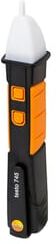
Testo 745 Non-Contact Voltage TesterThe Testo 745 Non-contact Voltage Tester is the perfect tool for fast initial checks of suspected electrical faults. Designed with advanced features to ensure accuracy and safety, it filters high-frequency interference signals and offers a two-stage sensitivity setting. This tester quickly detects AC voltage in systems up to 1000 VAC, making it a reliable choice for HVAC professionals. Key Features Fast Voltage Detection: Quickly checks for the presence of voltage in AC-powered systems. High Sensitivity: Two-stage sensitivity setting to cater to different testing needs. Safe Operation: Detects voltage up to 1000 VAC safely. Clear Indications: Flashing RED LEDs an30,60 £*Shipping: 5,00 £Secure redirect to the provider
-
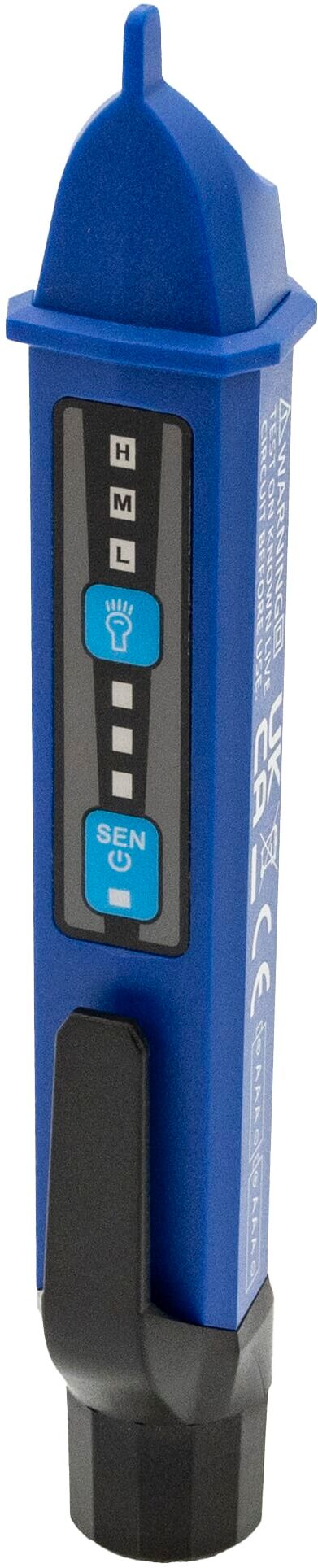
Arctic Hayes Non-Contact Voltage DetectorArctic Hayes Non-Contact Voltage Detector – 12–1000V AC CAT III 1000V Double Insulated The Arctic Hayes AH12 is a non-contact voltage detector for quickly identifying live AC circuits without needing to touch the conductor. It detects voltage from 12V to 1000V AC at 50/60Hz, giving a red LED flash and an audible alarm together when voltage is present, so it's usable in both bright and low-light conditions and where background noise might make an audible-only signal easy to miss. The body is double insulated for additional protection when working near live circuits, and it's rated CAT III 1000V, the correct category for fixed electrical installations such as distribution boards, fixed wiring, motors and industrial equipment. It also includes a built-in flashlight function for checking connections in poorly lit spaces. Compact and light13,32 £*Shipping: 5,00 £Secure redirect to the provider
-
Arctic Hayes Infrared Digital Thermometer – Non-ContactArctic Hayes Infrared Digital Thermometer – Non-Contact (AH650) The Arctic Hayes Infrared Digital Thermometer is a fast, accurate and reliable tool for measuring temperatures of hard-to-reach surfaces without physical contact. A unique 12-point circular laser targeting system gives precise, clear readings every time. With a temperature range of -30°C to +380°C (-22°F to 716°F), this professional-grade thermometer suits HVAC engineers, plumbers, electricians and general trades. Its bright LCD display, built-in alarms and compact design make it a practical choice for quick diagnostics, safety, accuracy and ease of use. Key Features & Benefits Non-Contact Measurement: Measure temperatures of hard-to-reach surfaces without direct contact. 12-Point Circu43,50 £*Shipping: 5,00 £Secure redirect to the provider
-
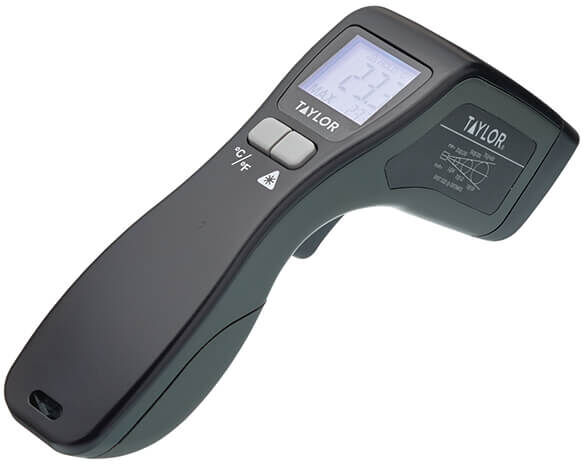
Taylor Pro Non-Contact Infrared Digital ThermometerThe Taylor Pro Digital Non-Contact Infrared Thermometer is a safe and hygienic way to take accurate temperature readings in an instant. Using infrared technology, this digital thermometer reduces the risk of cross food contamination as it doesn't have to come into contact with food. A quick squeeze of the trigger and this this thermometer will instantly provide a reading - from -45°C to 400°C (-49°F to 752°F). This infrared thermometer is particularly good for liquid recipes for which temperature is key, such as caramel, melted chocolate, sauces, syrups and soups. It can also be used to check if woks, pans and griddles are hot enough for frying, searing and sauteing, reducing the risk of scalds and burns. The Taylor Pro Digital Non-Contact Infrared Thermometer requires 2x AAA batteries (not supplied) and measures 10cm x 4cm x 15cm.39,99 £*Shipping: 3,50 £Secure redirect to the provider

-
Can you build a door/window contact sensor with Arduino?
Yes, you can build a door/window contact sensor with Arduino. You can use a reed switch as the sensor, which is a small, magnetically-activated switch. When the door or window is closed, the magnet in the switch will keep the contacts closed, and when the door or window is opened, the contacts will open. You can connect the reed switch to an input pin on the Arduino and write a simple program to detect when the switch changes state, indicating that the door or window has been opened or closed. This can be a great DIY project for home security or automation. **
-
Is the sensor of my Nikon D5100 a full-frame sensor?
No, the sensor of the Nikon D5100 is not a full-frame sensor. It is an APS-C sized sensor, which is smaller than a full-frame sensor. This means that the field of view captured by the sensor is narrower compared to a full-frame sensor, resulting in a crop factor of approximately 1.5x for Nikon DX format cameras like the D5100. **
-
How can the NXT color sensor and light sensor be programmed?
The NXT color sensor and light sensor can be programmed using the NXT-G programming software, which allows users to create custom programs for the sensors. The software provides a range of pre-built blocks that can be used to control and read data from the sensors, making it easy to create complex behaviors. Additionally, the sensors can be programmed using other programming languages such as RobotC or Java, which provide more advanced capabilities for controlling and processing sensor data. Overall, the NXT color sensor and light sensor can be programmed using a variety of tools and languages to suit the needs of the user. **
-
What is the light sensor and what is the rain sensor?
A light sensor is a device that detects the presence or absence of light. It measures the intensity of light in its surroundings and can be used to automatically adjust lighting levels in response to changing light conditions. On the other hand, a rain sensor is a device that detects the presence of rain or moisture. It is commonly used in automated irrigation systems to prevent watering when it is raining, conserving water and preventing overwatering of plants. **

Which sensor is this?
This is a photoelectric sensor. It uses a light emitter and a receiver to detect the presence or absence of an object. When the emitted light is interrupted by an object, the sensor detects the change and triggers a response, such as turning on a light or stopping a conveyor belt. Photoelectric sensors are commonly used in industrial automation, packaging, and material handling applications. **
Inductive or Hall sensor?
The choice between an inductive sensor and a Hall sensor depends on the specific application and requirements. Inductive sensors are typically used for non-contact detection of metallic objects and are suitable for harsh industrial environments due to their robustness. On the other hand, Hall sensors are used for detecting the presence of magnetic fields and are often used in applications such as position sensing and speed detection. Ultimately, the decision between the two sensors should be based on the specific needs of the application, including the type of target object and the environmental conditions. **
Top-Angebote
Products related to Non-Contact-Angle-Sensor:
-
Ring Alarm Contact Sensor 2nd Gen Door & Window Security Sensor, New (Unsealed)Overview Protect the entry points that matter most with the Ring Alarm Contact Sensor . Designed for doors and windows, this compact wireless sensor lets you know when an entry point is opened, helping you stay aware of movement around your home. Whether you are securing a front door, back door, bedroom window or hallway access point, it gives your Ring Alarm system an extra layer of everyday protection. Key Features & Benefits Instant Awareness When Doors or Windows Open Receive alerts through your Ring Alarm system when a monitored door or window is opened, helping you act quickly and stay informed. Extra Protection for Key Entry Points Place sensors on doors, windows or access points around your home to strengthen your security setup and reduce blind spots. Compact Design for a Cleaner Installation The slim, discreet design fits neatly onto most door and window frames, helping your home stay protected without bulky equipment. Wireless Setup for Less Mess Battery-powered operation means there is no need for complicated wiring, making installation quicker, cleaner and easier. Long-Lasting Battery Convenience Powered by 2 × CR2032 lithium coin cell batteries , the sensor is designed for low-maintenance everyday use. Works with Your Ring Alarm System Designed to work with a compatible Ring Alarm Base Station, allowing you to expand your existing Ring security setup with additional coverage. Ideal for Customising Your Home Security Add contact sensors where you need them most, from main entrances to less-used windows, so your alarm system matches your home layout. Reliable Z-Wave Connectivity Z-Wave communication helps the sensor stay connected to your Ring Alarm Base Station, supporting dependable smart home monitoring. Indoor Monitoring Made Simple Built for indoor use, this contact sensor is ideal for everyday home security, rental properties, flats, offices and small business premises. Why Choose This Product? The Ring Alarm Contact Sensor is a simple but powerful way to make your home feel more secure. Instead of only relying on cameras or motion detection, it helps you monitor the exact doors and windows you care about most. It is ideal for customers who want peace of mind, smarter alerts and a more complete Ring Alarm setup without complicated installation. Compact, practical and easy to integrate, it gives your security system more control, more coverage and more confidence. Specifications Table Specification Details Brand Ring Product Type Door & Window Contact Sensor Model Ring Alarm Contact Sensor 2nd Gen Colour White Sensor Type Contact sensor for doors and windows Connectivity Z-Wave Wireless Range Up to 76m to Base Station in open air, line of sight Battery 2 × CR2032 lithium coin cell 3V batteries Power Type Battery powered Installation Mounts to door or window frame Maximum Sensor Gap Approx. 2.5cm Operating Conditions Indoor use, 0°C to 49°C Sensor Dimensions 5.3 × 4 × 1.4cm Magnet Dimensions 2.4 × 1.1 × 0.7cm Compatibility...15,00 £*Shipping: 0,00 £Secure redirect to the provider
-
Eve Door & Window (Matter) Smart Contact Sensor - ThreadEve Door & Window (Matter) is a wireless contact sensor for doors and windows. It reports whether a door or window is open or closed, can trigger other smart home accessories automatically and send notifications. It connects over Thread and works with Matter-compatible smart home platforms.44,49 £*Shipping: 0,00 £Secure redirect to the provider
-
Testo 745 Non-Contact Voltage TesterThe Testo 745 Non-contact Voltage Tester is the perfect tool for fast initial checks of suspected electrical faults. Designed with advanced features to ensure accuracy and safety, it filters high-frequency interference signals and offers a two-stage sensitivity setting. This tester quickly detects AC voltage in systems up to 1000 VAC, making it a reliable choice for HVAC professionals. Key Features Fast Voltage Detection: Quickly checks for the presence of voltage in AC-powered systems. High Sensitivity: Two-stage sensitivity setting to cater to different testing needs. Safe Operation: Detects voltage up to 1000 VAC safely. Clear Indications: Flashing RED LEDs an30,60 £*Shipping: 5,00 £Secure redirect to the provider
-
Arctic Hayes Non-Contact Voltage DetectorArctic Hayes Non-Contact Voltage Detector – 12–1000V AC CAT III 1000V Double Insulated The Arctic Hayes AH12 is a non-contact voltage detector for quickly identifying live AC circuits without needing to touch the conductor. It detects voltage from 12V to 1000V AC at 50/60Hz, giving a red LED flash and an audible alarm together when voltage is present, so it's usable in both bright and low-light conditions and where background noise might make an audible-only signal easy to miss. The body is double insulated for additional protection when working near live circuits, and it's rated CAT III 1000V, the correct category for fixed electrical installations such as distribution boards, fixed wiring, motors and industrial equipment. It also includes a built-in flashlight function for checking connections in poorly lit spaces. Compact and light13,32 £*Shipping: 5,00 £Secure redirect to the provider
-
How does a photoelectric sensor with contact work?
A photoelectric sensor with contact works by using a light emitter and a receiver to detect the presence or absence of an object. The light emitter sends out a beam of light, and the receiver detects the presence of the light beam. When an object interrupts the light beam, the receiver detects the change in light intensity and triggers a response, such as activating a switch or sending a signal. The contact feature allows the sensor to physically interact with the object, making it suitable for applications where direct contact is necessary for detection. **
-
What is sensor technology and communication?
Sensor technology refers to the use of sensors to detect and measure physical properties such as temperature, pressure, light, and motion. These sensors can then communicate this information to other devices or systems through various communication methods such as wired connections, wireless signals, or the internet. This allows for real-time monitoring and control of physical environments, enabling applications in areas such as smart homes, industrial automation, healthcare, and environmental monitoring. Overall, sensor technology and communication play a crucial role in enabling the collection and transmission of data for various applications, ultimately leading to improved efficiency, safety, and convenience. **
-
Can you build a door/window contact sensor with Arduino?
Yes, you can build a door/window contact sensor with Arduino. You can use a reed switch as the sensor, which is a small, magnetically-activated switch. When the door or window is closed, the magnet in the switch will keep the contacts closed, and when the door or window is opened, the contacts will open. You can connect the reed switch to an input pin on the Arduino and write a simple program to detect when the switch changes state, indicating that the door or window has been opened or closed. This can be a great DIY project for home security or automation. **
-
Is the sensor of my Nikon D5100 a full-frame sensor?
No, the sensor of the Nikon D5100 is not a full-frame sensor. It is an APS-C sized sensor, which is smaller than a full-frame sensor. This means that the field of view captured by the sensor is narrower compared to a full-frame sensor, resulting in a crop factor of approximately 1.5x for Nikon DX format cameras like the D5100. **
Similar search terms for Non-Contact-Angle-Sensor
-
Arctic Hayes Infrared Digital Thermometer – Non-ContactArctic Hayes Infrared Digital Thermometer – Non-Contact (AH650) The Arctic Hayes Infrared Digital Thermometer is a fast, accurate and reliable tool for measuring temperatures of hard-to-reach surfaces without physical contact. A unique 12-point circular laser targeting system gives precise, clear readings every time. With a temperature range of -30°C to +380°C (-22°F to 716°F), this professional-grade thermometer suits HVAC engineers, plumbers, electricians and general trades. Its bright LCD display, built-in alarms and compact design make it a practical choice for quick diagnostics, safety, accuracy and ease of use. Key Features & Benefits Non-Contact Measurement: Measure temperatures of hard-to-reach surfaces without direct contact. 12-Point Circu43,50 £*Shipping: 5,00 £Secure redirect to the provider
-
Taylor Pro Non-Contact Infrared Digital ThermometerThe Taylor Pro Digital Non-Contact Infrared Thermometer is a safe and hygienic way to take accurate temperature readings in an instant. Using infrared technology, this digital thermometer reduces the risk of cross food contamination as it doesn't have to come into contact with food. A quick squeeze of the trigger and this this thermometer will instantly provide a reading - from -45°C to 400°C (-49°F to 752°F). This infrared thermometer is particularly good for liquid recipes for which temperature is key, such as caramel, melted chocolate, sauces, syrups and soups. It can also be used to check if woks, pans and griddles are hot enough for frying, searing and sauteing, reducing the risk of scalds and burns. The Taylor Pro Digital Non-Contact Infrared Thermometer requires 2x AAA batteries (not supplied) and measures 10cm x 4cm x 15cm.39,99 £*Shipping: 3,50 £Secure redirect to the provider
-
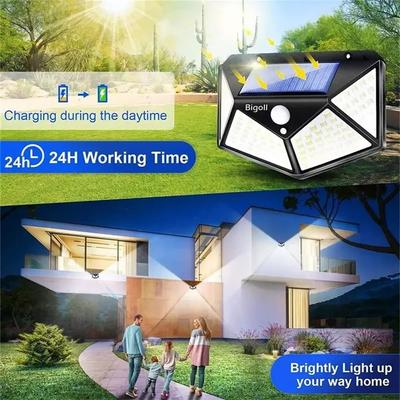
Uplifted Goods Outdoor Solar Motion Sensor Lights With Wide Angle Illumination 2pcsLight up your outdoor spaces with these outdoor solar motion sensor lights designed for safety and style. Built with energyefficient LEDs, a 140degree lighting angle, and a waterproof shell, they automatically turn on when motion is detected....49,97 $*Shipping: 0,00 $Secure redirect to the provider
-
Uplifted Goods Outdoor Solar Motion Sensor Lights With Wide Angle Illumination 1pcLight up your outdoor spaces with these outdoor solar motion sensor lights designed for safety and style. Built with energyefficient LEDs, a 140degree lighting angle, and a waterproof shell, they automatically turn on when motion is detected....34,97 $*Shipping: 0,00 $Secure redirect to the provider
-
How can the NXT color sensor and light sensor be programmed?
The NXT color sensor and light sensor can be programmed using the NXT-G programming software, which allows users to create custom programs for the sensors. The software provides a range of pre-built blocks that can be used to control and read data from the sensors, making it easy to create complex behaviors. Additionally, the sensors can be programmed using other programming languages such as RobotC or Java, which provide more advanced capabilities for controlling and processing sensor data. Overall, the NXT color sensor and light sensor can be programmed using a variety of tools and languages to suit the needs of the user. **
-
What is the light sensor and what is the rain sensor?
A light sensor is a device that detects the presence or absence of light. It measures the intensity of light in its surroundings and can be used to automatically adjust lighting levels in response to changing light conditions. On the other hand, a rain sensor is a device that detects the presence of rain or moisture. It is commonly used in automated irrigation systems to prevent watering when it is raining, conserving water and preventing overwatering of plants. **
-
Which sensor is this?
This is a photoelectric sensor. It uses a light emitter and a receiver to detect the presence or absence of an object. When the emitted light is interrupted by an object, the sensor detects the change and triggers a response, such as turning on a light or stopping a conveyor belt. Photoelectric sensors are commonly used in industrial automation, packaging, and material handling applications. **
-
Inductive or Hall sensor?
The choice between an inductive sensor and a Hall sensor depends on the specific application and requirements. Inductive sensors are typically used for non-contact detection of metallic objects and are suitable for harsh industrial environments due to their robustness. On the other hand, Hall sensors are used for detecting the presence of magnetic fields and are often used in applications such as position sensing and speed detection. Ultimately, the decision between the two sensors should be based on the specific needs of the application, including the type of target object and the environmental conditions. **
* All prices are inclusive of VAT and, if applicable, plus shipping costs. The offer information is based on the details provided by the respective shop and is updated through automated processes. Real-time updates do not occur, so deviations can occur in individual cases. ** Note: Parts of this content were created by AI.